


What is composting?
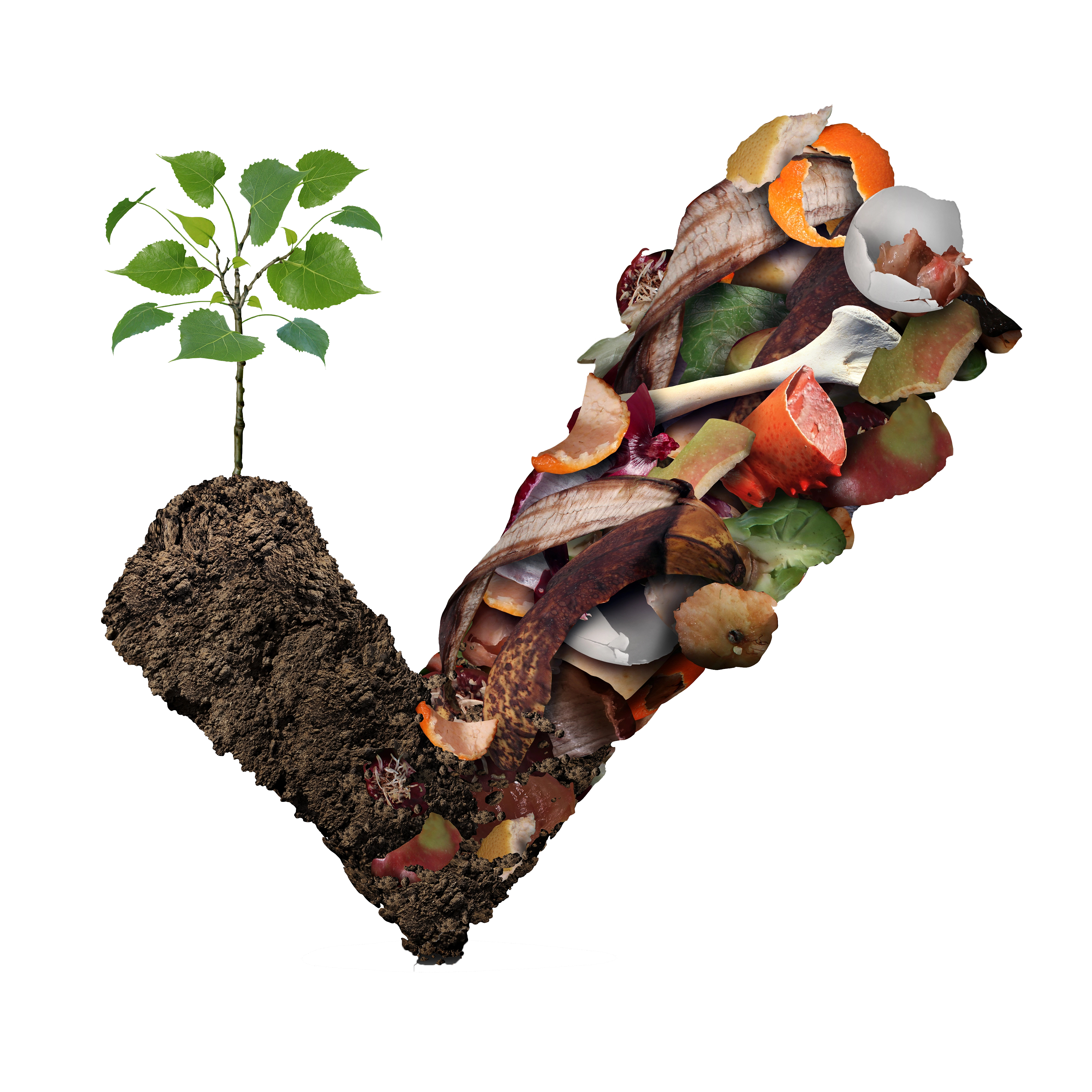
Composting is the biological process of breaking down (such as fruits, vegetables, leaves, pruning). After the process ends the organic maters are transformed into a rich, organic, natural mixture that functions as fertilizer and soil improvement.It’s one of the most ideal ways of waste management, while being completely natural (human intervention simply maximizes its performance).
What is compost?
It’s the agricultural, sanitized and stabilized solid material that is produced by the process of composting organic residues. Essentially, it is an organic fertilizer with great agricultural valueand soil-improving abilities , increasing the fertility of the soil and ensuring that all types of plants that grow are richer in minerals and vitamins.
What is composting?
Composting is the biological process of breaking down (such as fruits, vegetables, leaves, pruning). After the process ends the organic maters are transformed into a rich, organic, natural mixture that functions as fertilizer and soil improvement.It’s one of the most ideal ways of waste management, while being completely natural (human intervention simply maximizes its performance).
What is compost?
It’s the agricultural, sanitized and stabilized solid material that is produced by the process of composting organic residues. Essentially, it is an organic fertilizer with great agricultural valueand soil-improving abilities , increasing the fertility of the soil and ensuring that all types of plants that grow are richer in minerals and vitamins.
Πώς χρησιμοποιείται το κομπόστ;
Το κομπόστ αποτελεί γεωργικά πολύτιμο υλικό με υψηλή περιεκτικότητα σε οργανική ουσία.Μπορεί να χρησιμοποιηθεί ως:
- Εδαφοβελτιωτικό.
- Λίπασμα για γκαζόν.
- Συμπλήρωμα στο χώμα των γλαστρών.
- Ζωοτροφή (συγκεκριμένα απορρίμματα).
- Μαγιά για νέα κομποστοποίηση.
Saving money:
- It is the most economical method of final waste management of organic materials. Furthermore, using compost greatly reduces the need to purchase corresponding products from the market for every business while at the same time water consumption is reduced because the compost improves the holding capacity of the soil.- The volume of waste produced is minimized, thus reducing transport/processing costs.
- By using the produced compost, you save the cost of buying and using fertilizer for your facilities.
- Calculation of municipal fees will from now on be based on the actual amount of produced waste for each business. The legislation will be applied universally in municipalities, in accordance with what is defined by the respective legislation. Each municipality will have an appropriate measurement system for the implementation of the new municipal fee charging system. This means that those who do not manage to adapt to the new data will be faced with higher municipal fees and possibly fines.
Market value:
If you cannot use the product in your organization, you are likely to fill a significant need in the market.Such as:
- Support agriculture by meeting farmers.
- Contact organizations that provide landscaping and botanical services.
- Evaluate and sell on the free market.
- Donate to social responsibility projects.
Environmental benefits:
- Composting is an alternative practice to the burial/burning of organic waste:Organic waste makes for up to 20% the total waste that ends up in landfills each year. Choosing to compost reduces the need to burn or bury them and improves the quality of our topsoil.
- The use of the organic fertilizer produced has positive effects in agriculture, as it increases the quality of arable soil thanks to the elements of nitrogen, phosphorus and potassium it contains. Also, plant production of products increases significantly and plant diseases decrease.
- The reduction of waste in landfills is of utmost importance, since it achieves methane reduction to a significant extent.
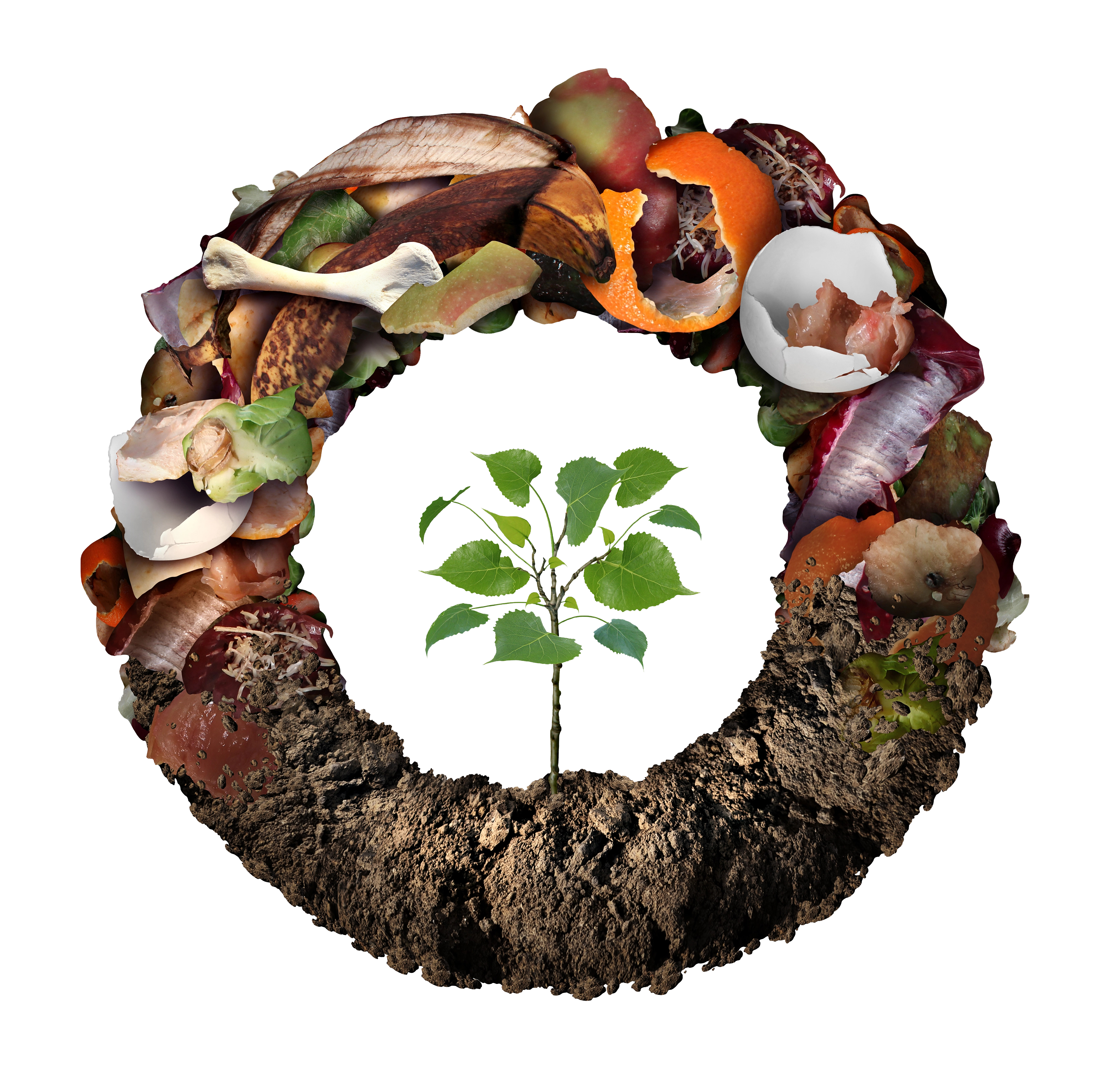
Methane gas produced by rotting organic waste in landfills is very harmful to both human health and the atmosphere. A composting machine produces carbon dioxide instead of methane. Thus, human health protected and additionally the "carbon footprint" is reduced and nature is also protected. Making compost from this waste supports the natural cycle.


Thanks to its special fermentation technique, ProCompo machines can complete the composting process in just 12-14 hourswhich is overwhelmingly faster than the natural process and the fastest on the market. For this reason, the machine is patented worldwide.
- The presence of moisture (which reaches a percentage of 8%) in the compost produced through the natural, multi-month process does not allow its immediate packaging, since it needs 24 to 48 hours to dry completely. However, with the use of enzymes and bacteria provided by our company, the moisture content of the produced compost is 0% making it ready for immediate packaging and resale.
- The presence of moisture (which reaches a percentage of 8%) in the compost produced through the natural, multi-month process does not allow its immediate packaging, since it needs 24 to 48 hours to dry completely. However, with the use of enzymes and bacteria provided by our company, the moisture content of the produced compost is 0% making it ready for immediate packaging and resale.