

01  /  
02  /  
03  /  
keyboard_arrow_left
keyboard_arrow_right

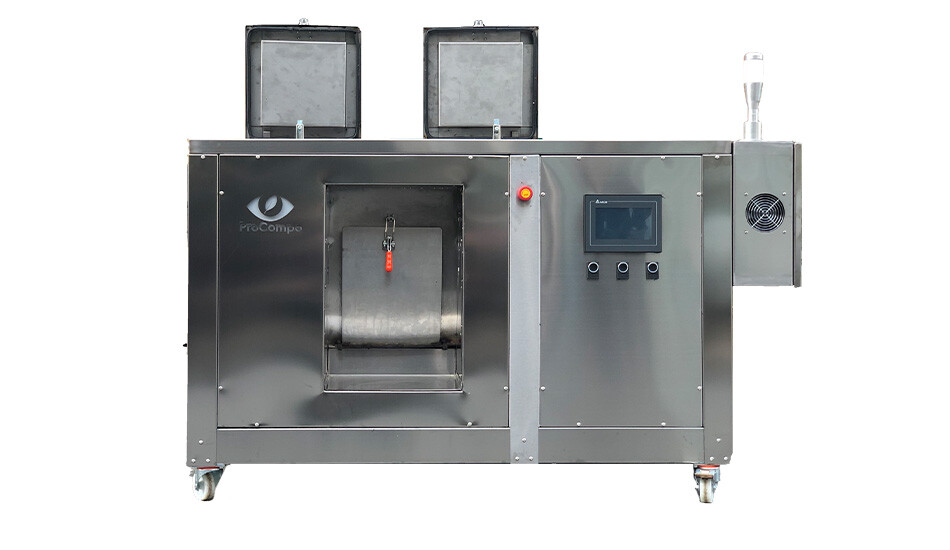
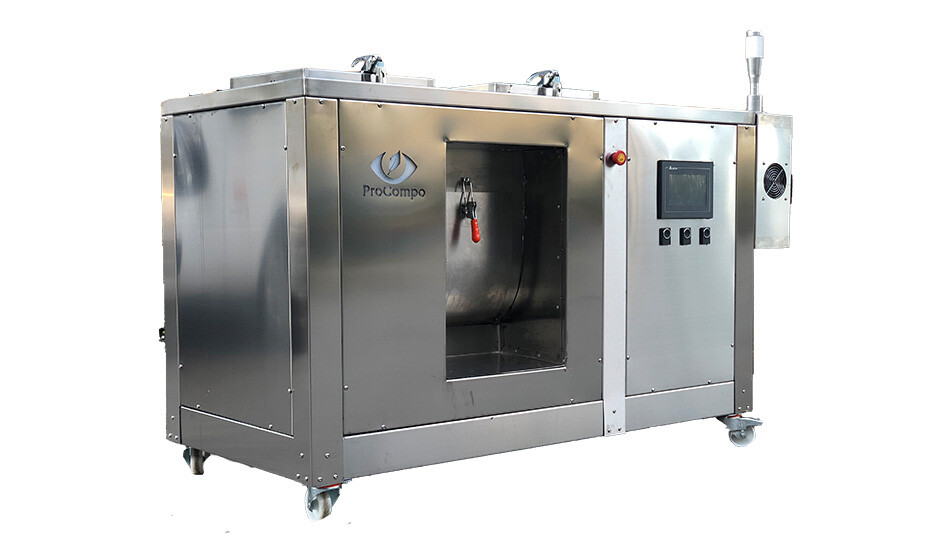
ProCompo machines are manufactured in two models:
- The basic model, for producing exclusively compost for fertilizer
- The upgraded model, which with the addition of special accessory, offers the possibility of producing fodder or organic pellet

ProCompo machines are available at capacity

Depending on the waste quantity of each establishment, the capacity of the appropriate compost machine is calculated as bellow:

1. 100/250 liters for business where 150 people eating a single meal, as well as for bed and breakfast hotel up to 200 people.

2. 500 liters for all-inclusive hotels with 300 beds.

3. 1000 liters for medium-sized supermarket chain.

4. 2500 liters for Malls, Street markets, Farmer’s markets and Municipalities.

ProCompo machines are designed entirely inspired by nature. All the operating processes for producing compost are the same as those that occur naturally: Decomposition & Fermentation. The key difference is that normally this process can take many months, while with the use of ProCompo machines we reach the same result within just 12-14 hours!


How does ProCompo machines achieve compost production in such a short time?

- All bacterial groups that are necessary during these natural processes, (which take many months in nature) were analyzed and precisely identified
- The temperature as well as all other relevant variables within the machine are set to the appropriate values.
- As a result, a controlled environment is created inside the machine. When all the parameters reach the desired values, the waste inside the machine undergoes rapid fermentation and converts into compost, without altering the natural process.

The machine operations are as follows:

1.

Waste collection
Organic waste is separated and collected for the composting machine.

2.

Shredding chamber
The waste is shredded into small pieces, making it suitable for processing.

3.

Composting tank:
The shredded waste is heated to 165 °C, with the help of power reactors. Composting takes 12-14 hours.

4.

Organic compost
The waste is turned into organic compost which (after drying completely) is ready for use/storage.

Where composting machines can be used?

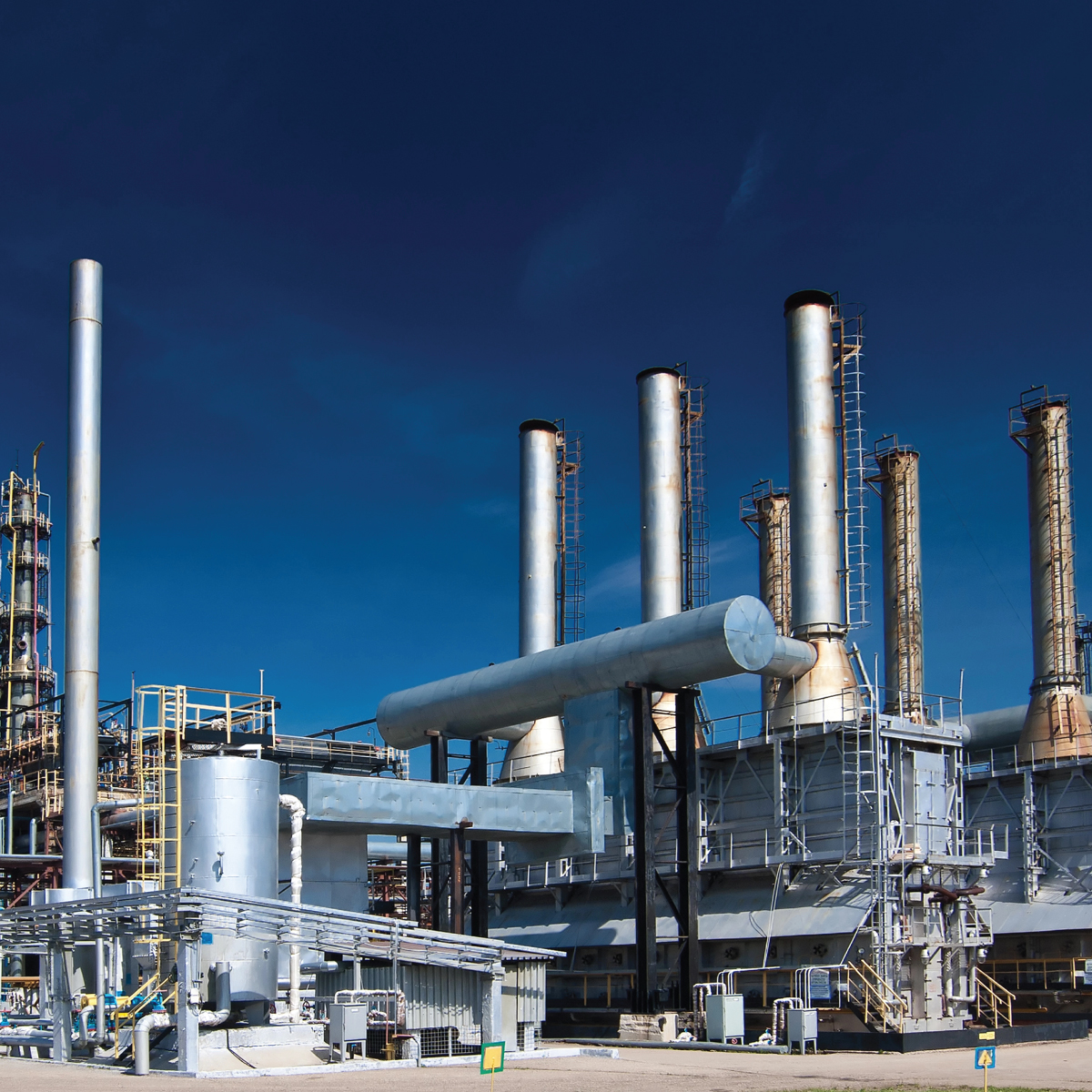
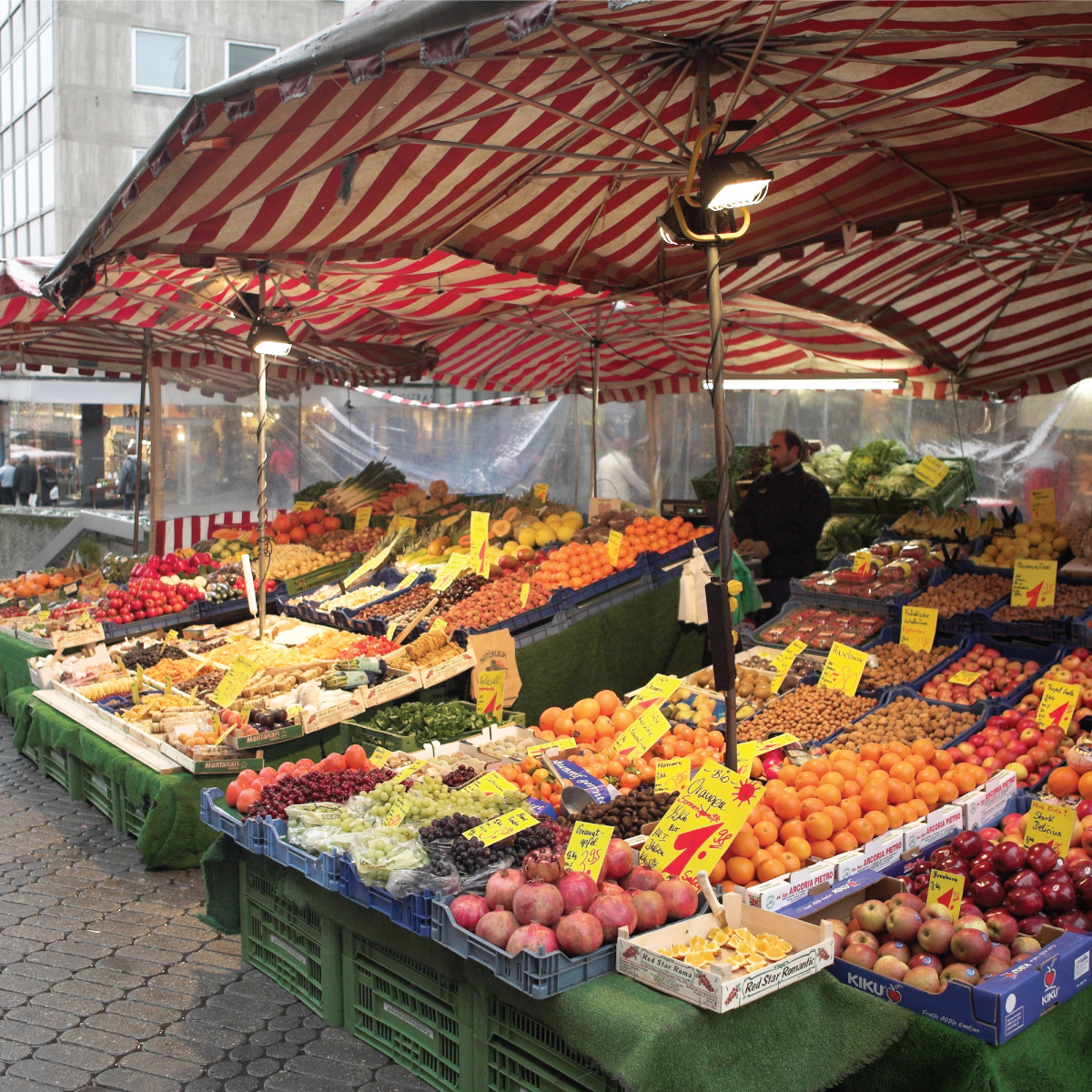
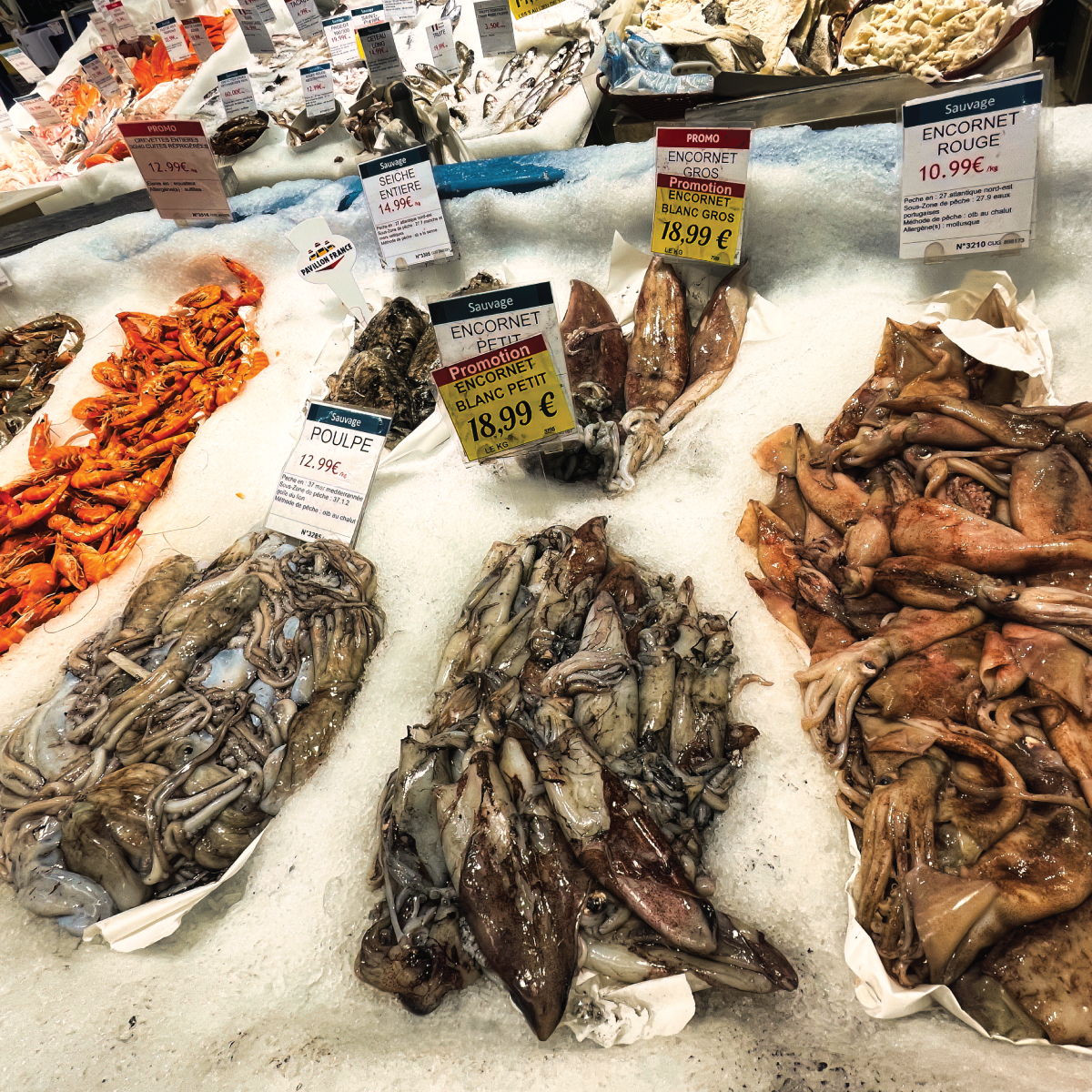
ProCompo machines can be widely usedcan be widely used in public organizations, municipalities, street markets, farmer’s markets, fish markets, leisure facilities, airports, ports, restaurants, train/bus stations, hospitals, hotel, enterprises in industrial areas, shopping malls and shopping plazas with many catering services, educational institutions, organized industrial areas.

Εμπορικά-κέντρα-και-μεγάλες-επιχειρήσεις

Shopping malls and large businesses

Συγκροτήματα-κατοικιών

Housing complexes

Ξενοδοχειακές-μονάδες

Hotel units

Βιομηχανικές-περιοχές-και-βιομηχανίες

Industrial areas and industries

Λαχαναγορές

Vegetable markets

Νοσοκομεία-και-Κέντρα-Υγείας

Hospitals and Health Centers

Οργανισμοί

Organizations

Εκπαιδευτικά-Ιδρύματα-και-Εστίες

Educational Institutions and Centers

Αεροδρόμια-Σταθμοί-τρένων-&-Λεωφορείων

Airports, train and bus stations

Ιχθυόσκαλες---Ψαραγορές

Fish ladders, Fish Markets

Συχνές ερωτήσεις σχετικά με τη μηχανή κομποστοποίησης

What is composting?

Είναι η βιολογική διαδικασία αποδόμησης οργανικής ύλης (π.χ. φρούτα, λαχανικά, φύλλα, κλαδέματα). Με το πέρας της διεργασίας τα οργανικά υπολείμματα μετατρέπονται σε ένα πλούσιο οργανικό, φυσικό μίγμα που λειτουργεί ως εδαφοβελτιωτικό και λίπασμα (κόμποστ).
It’s one of the most ideal ways of waste management, while being completely natural (human intervention simply maximizes its performance).

Τι είναι το κόμποστ;

Το αγροτικό, υγειονοποιημένο και σταθεροποιημένο στερεό υλικό το οποίο προέρχεται από την διαδικασία της κομποστοποίησης οργανικών υπολειμμάτων και διαθέτει μεγάλη γεωργική αξία.
Πρόκειται ουσιαστικά για ένα οργανικό λίπασμα με εδαφοβελτιωτικές ικανότητες το οποίο αυξάνει τη γονιμότητα του εδάφους, εξασφαλίζοντας με αυτό τον τρόπο ότι όλα τα είδη φυτών που αναπτύσσονται είναι πλουσιότερα σε μέταλλα και βιταμίνες.

Πώς χρησιμοποιείται το κομπόστ;

Το κομπόστ αποτελεί γεωργικά πολύτιμο υλικό με υψηλή περιεκτικότητα σε οργανική ουσία.

Μπορεί να χρησιμοποιηθεί ως:
- Εδαφοβελτιωτικό
- Λίπασμα για γκαζόν
- Συμπλήρωμα στο χώμα των γλαστρών
- Ζωοτροφή (συγκεκριμένα απορρίμματα)
- Μαγιά για νέα κομποστοποίηση

What are the benefits of composting?

1. Εξοικονόμηση χρημάτων:
- It is the most economical method of final waste management of organic materials. Furthermore, using compost greatly reduces the need to purchase corresponding products from the market for every business while at the same time water consumption is reduced because the compost improves the holding capacity of the soil.
- The volume of waste produced is minimized, thus reducing transport/processing costs.
- By using the produced compost, you save the cost of buying and using fertilizer for your facilities.
- Calculation of municipal fees will from now on be based on the actual amount of produced waste for each business. The legislation will be applied universally in municipalities, in accordance with what is defined by the respective legislation. Each municipality will have an appropriate measurement system for the implementation of the new municipal fee charging system. This means that those who do not manage to adapt to the new data will be faced with higher municipal fees and possibly fines.

2. Προώθηση στην αγορά:
If you cannot use the product in your organization, you are likely to fill a significant need in the market.
Such as:
- Support agriculture by meeting farmers.
- Contact organizations that provide landscaping and botanical services.
- Evaluate and sell on the free market.
-κάνετε δωρεές στο πλαίσιο έργων κοινωνικής ευθύνης.

3. Περιβαλλοντικά οφέλη
- Composting is an alternative practice to the burial/burning of organic waste:
Organic waste makes for up to 20% the total waste that ends up in landfills each year. Choosing to compost reduces the need to burn or bury them and improves the quality of our topsoil.
- The use of the organic fertilizer produced has positive effects in agriculture, as it increases the quality of arable soil thanks to the elements of nitrogen, phosphorus and potassium it contains. Also, plant production of products increases significantly and plant diseases decrease.
- The reduction of waste in landfills is of utmost importance, since it achieves methane reduction to a significant extent.
Methane gas produced by rotting organic waste in landfills is very harmful to both human health and the atmosphere. A composting machine produces carbon dioxide instead of methane. Thus, human health protected and additionally the "carbon footprint" is reduced and nature is also protected. Making compost from this waste supports the natural cycle.